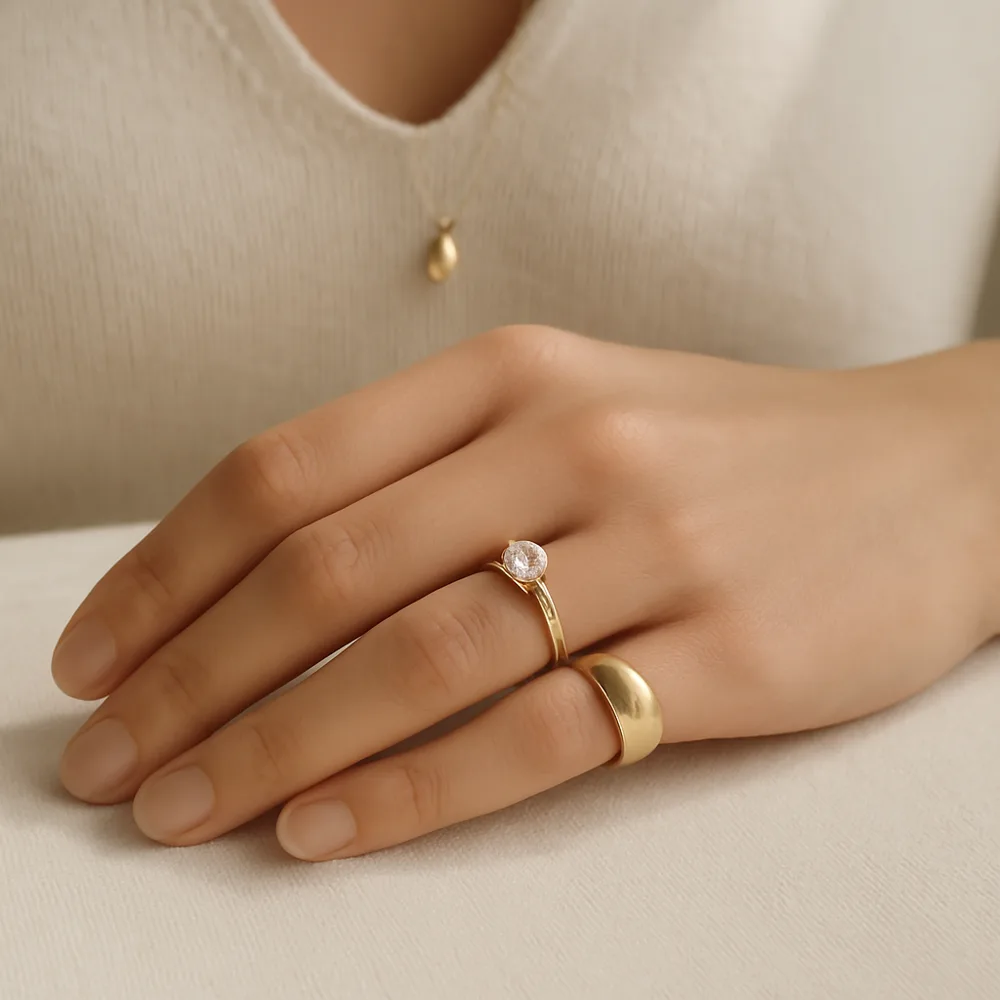
Good storage keeps jewelry away from moisture, dust, and unnecessary contact. A dry drawer or cabinet is generally preferable to a bathroom, where steam and humidity can encourage tarnish and affect some materials. Choose a box, tray, or organizer that closes when practical, and keep it somewhere you can reach without handling every piece at once.
Give items their own space. Rings can sit in lined slots, while necklaces are less likely to tangle when stored separately, laid flat, or hung from individual hooks. Keep delicate chains away from heavy pieces and gemstones that could scratch them. Pearls and other sensitive materials benefit from soft, breathable storage rather than prolonged contact with plastic or rough surfaces.
Before putting jewelry away, make sure it is dry and free of obvious product residue. A quick wipe after wear can reduce buildup. Avoid storing pieces in direct sunlight or near heat sources, which may affect certain stones and materials. Every so often, check clasps, settings, and the storage area itself. A tidy system makes it easier to notice a loose clasp or a piece that needs professional attention.
Matching Storage to Materials and Routines
Once the basics are in place, the next step is tailoring storage to what you actually own and how often you wear it. A collection of everyday studs and a single chain needs a very different setup from a drawer of heirloom pieces that come out only a few times a year.
Separate daily pieces from occasional ones
Jewelry you wear most days benefits from a small, open-access spot such as a lidded dish or a compact tray near where you get ready. Keeping it apart from the rest of your collection means you are not rummaging through delicate items each morning, which reduces both tangling and accidental knocks. Pieces worn less often can live in a deeper box or a pouch-lined drawer, where they stay protected from dust and light for longer stretches.
Think about metal and finish
Sterling silver tarnishes when exposed to air and sulphur compounds, so it is worth storing it in a closed compartment, ideally with an anti-tarnish strip or cloth. Plated and vermeil pieces have a thin layer of gold over another metal, and that layer wears faster when pieces rub against each other, so individual soft pouches are a sensible choice. Our guide to caring for gold vermeil jewelry covers this finish in more detail. Solid gold and platinum are more forgiving but can still scratch softer metals and stones, so harder pieces should not be piled on top of lighter ones.
Travel and short-term storage
When travelling, a zipped roll or a small hard case with separate sections works better than a loose bag. Threading fine chains through a drinking straw or fastening them before packing helps prevent knots. Rings travel well in a slotted insert, which also makes it easier to check nothing is missing when you unpack.
Keep a simple inventory
For valuable or sentimental pieces, a short written list or a few photos stored somewhere safe can be useful for insurance or simply for remembering what you have. Note any repairs or resizing as well. If a ring has been adjusted, for example, it helps to record the size; our notes on finding a comfortable ring size explain why fit can change over time.
A storage system that suits your habits is one you will actually keep using, and that consistency is what protects jewelry best over the years.