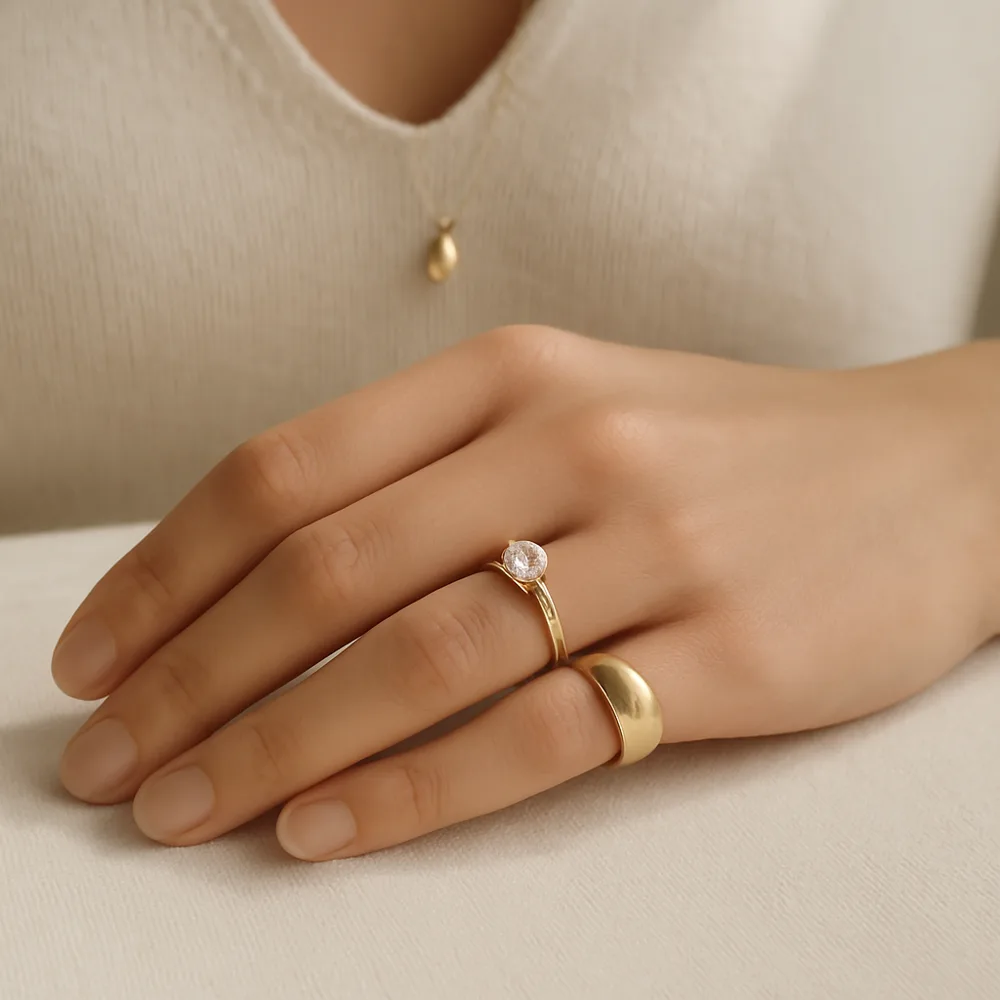
Daily jewelry should fit the rhythm of your day. Before getting dressed, consider whether a ring or necklace will be comfortable for work, commuting, exercise, or hands-on tasks. Some pieces are best removed for particular activities, and building that pause into your routine can prevent snags, scratches, and accidental loss. Keep a small dish or pouch in a consistent place for temporary removal.
Put jewelry on after applying skincare, fragrance, and hair products so less residue reaches the metal and stones. At the end of the day, check for obvious dirt or moisture and wipe the piece with a soft cloth if appropriate. This simple habit can reduce buildup and make it easier to notice a loose clasp, bent band, or change in a setting.
Choose a consistent storage spot that is dry and easy to use. Separating chains, rings, and delicate pieces prevents tangles and contact scratches. You do not need an elaborate cleaning routine; material-specific care matters more than frequent intensive treatment. When something looks damaged or feels different, set it aside and ask a jeweler to inspect it before wearing it again.
Building a Small, Wearable Everyday Collection
A routine is easier to keep when the pieces themselves are easy to live with. Many people find that a handful of reliable favourites gets worn far more than a large drawer of occasional pieces. When choosing what to wear every day, think about how each item behaves over long hours rather than how it looks for a few minutes in the mirror.
Favour comfort and secure construction
Rings with smooth inner edges and a low profile are less likely to catch on fabric, bags or keyboards. A band that fits well should slide over the knuckle with slight resistance and sit comfortably without spinning. Fingers naturally swell in heat and shrink in the cold, so fit can change through the day. Our guide on finding a comfortable ring size explains how to allow for that. For necklaces, a sturdy clasp and a chain that is not so fine that it kinks easily make daily wear far less stressful.
Match materials to your habits
Solid gold, platinum and sterling silver generally handle regular wear well, though silver tarnishes and benefits from occasional polishing. Plated and vermeil pieces have a thin layer of gold over another metal, so friction, water and chemicals wear them faster. These are often better kept for days without heavy handwashing, swimming or the gym. If you wear vermeil often, the advice in caring for gold vermeil jewellery can help it last longer.
Plan combinations ahead
Deciding on a few go-to pairings saves time on busy mornings. A single pendant at a length that sits well with your usual necklines can work with almost everything. Pairing it with one or two simple rings keeps the look balanced. If you like layering, try your combinations on a calm evening first. That way you know which chains tangle and which rings rub against each other before you are rushing out the door. You can read more about choosing a necklace length to find the right one.
Review your pieces now and then
Every few months, look closely at the jewellery you wear most. Check prongs, clasps, jump rings and any thinning on bands. Pieces worn daily slowly wear down, and small repairs are usually simpler than replacing a lost stone. Rotating between a couple of favourites can also spread the wear and keep your routine feeling fresh.