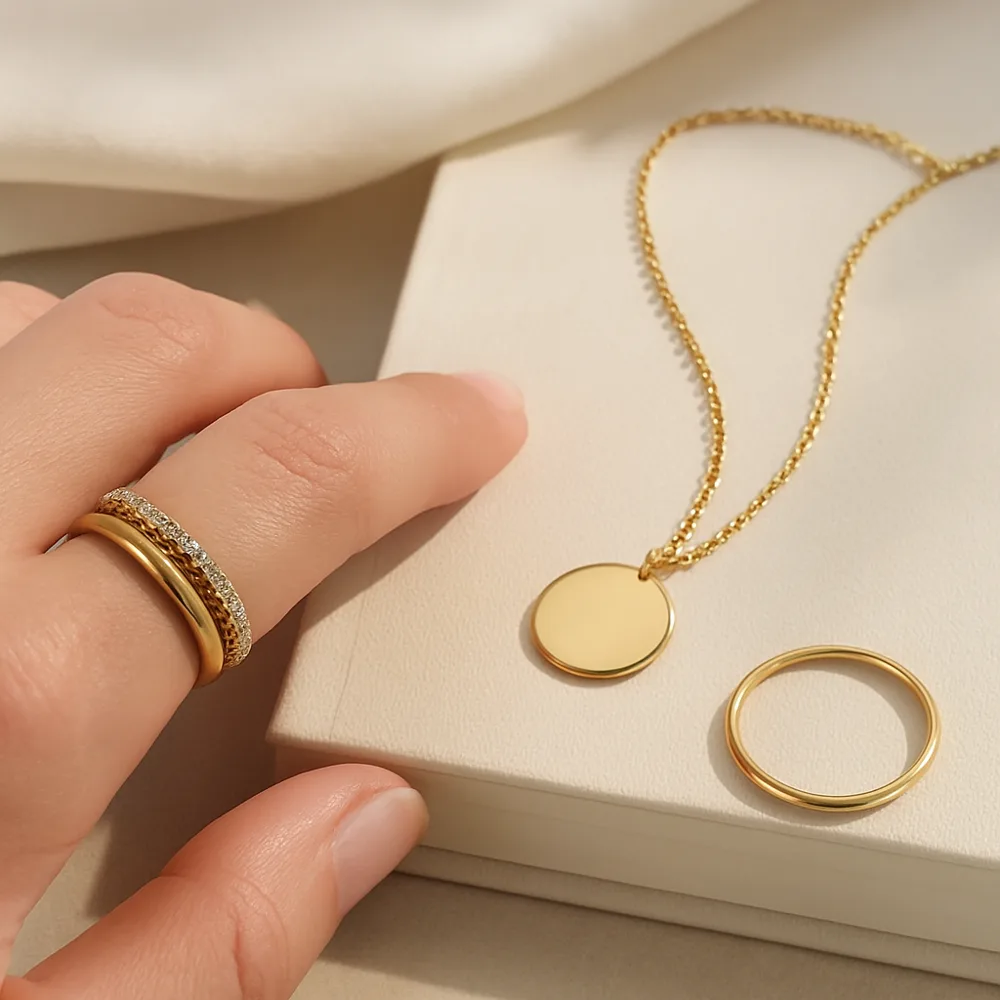
Sterling silver can darken when it reacts with substances in the air, and the rate varies with humidity, storage, and what the jewelry encounters. Tarnish is a surface change, not necessarily a sign that a piece is damaged. Wearing silver regularly can help keep it bright, while storing it exposed in a damp room may encourage discoloration.
After wearing a silver ring or necklace, wipe it gently with a soft cloth to remove skin oils and residue. For ordinary tarnish, use a polishing cloth intended for silver and follow its directions. Take care around intentional darkened details, gemstones, and plated areas, since aggressive polishing can alter finishes. Avoid paper towels and rough fabrics that may leave scratches.
Keep silver dry and separate from other pieces in a pouch or closed jewelry box. If you store it for a longer period, a tarnish-resistant bag can be helpful. Remove jewelry before swimming, cleaning, or using products that may contain strong chemicals. For pieces with pearls, porous stones, or complex settings, ask a jeweler about cleaning before using any dip or solution. Gentle, consistent care is usually safer than infrequent intensive polishing.
Understanding Why Silver Tarnishes and How to Slow It Down
Sterling silver is an alloy, typically 92.5 percent silver mixed with other metals, most often copper. That small proportion of copper makes the metal strong enough for rings and chains, but it also helps explain why sterling reacts with its surroundings. The dark film most people call tarnish is mainly silver sulphide, which forms when the metal meets sulphur compounds in the air. Knowing where those compounds come from makes it easier to slow the process.
Everyday sources of tarnish
Some common household items release sulphur or encourage discoloration. Wool, felt and certain rubber bands can speed up darkening, so they are poor choices for wrapping or storing silver. Foods such as eggs, onions and mayonnaise contain sulphur compounds, which is one reason to take rings off before cooking. Perfume, hairspray, lotion and sunscreen can leave residue that dulls the surface, so a good habit is to put jewelry on last, after these products have dried.
Small storage habits that help
- Place a silica gel packet or an anti-tarnish strip in your jewelry box to absorb moisture.
- Store chains fastened and laid flat so they do not tangle or rub against harder pieces.
- Keep silver away from bathrooms, where steam raises humidity every day.
- Give each piece its own soft pouch if you travel, rather than mixing everything in one bag.
When to clean and when to leave it
Light, golden or faint grey tarnish usually comes off easily with a silver cloth. Heavier, nearly black tarnish takes more effort, which is why regular gentle wiping saves work later. Some people like the soft, slightly aged look silver develops over time, especially on textured or engraved pieces, where darker recesses add depth. There is no rule that silver must always be mirror-bright; choose the finish you enjoy.
If you wear silver alongside other metals, our guide to caring for gold vermeil jewelry covers plated pieces that need an even lighter touch. For stacked rings that rub together during the day, the tips in our ring stacking guide can help you combine pieces with less wear. Valuable, antique or sentimental items are worth showing to a professional jeweler before trying any home cleaning method.