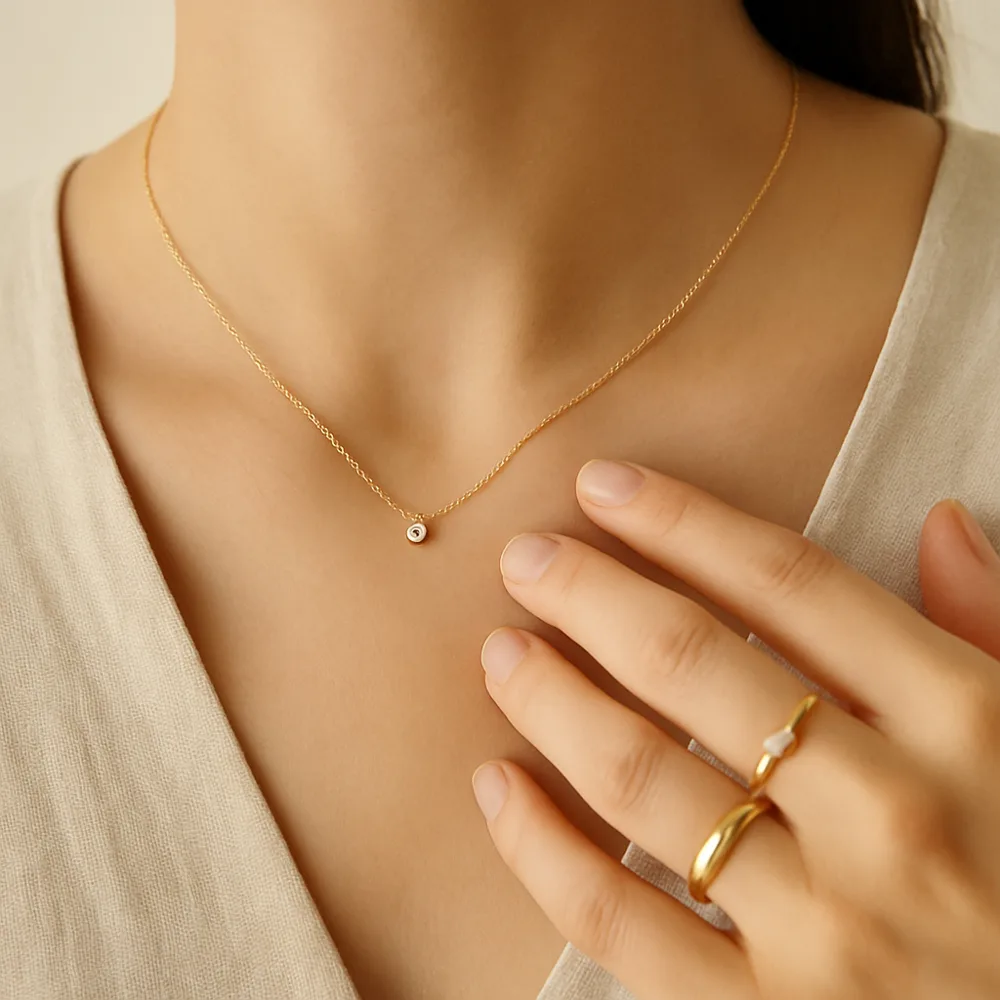
Pearls have a delicate surface that can be affected by cosmetics, fragrance, sweat, and harsh cleaners. Put pearl earrings or a necklace on after hair products, makeup, and perfume have dried. Remove them before swimming, showering, exercising, or household cleaning. These small choices help limit exposure to substances that may dull or damage the surface.
After wearing pearls, wipe them with a clean, soft, slightly damp cloth and let them dry fully before storage. Do not soak them, use abrasive cloths, or apply silver polish to the pearl itself. Avoid ultrasonic cleaners and strong cleaning solutions unless a specialist has confirmed a method is safe for the exact piece. If grime collects around a setting, ask a jeweler to clean it rather than scraping at it.
Store pearls separately in a soft pouch or lined box, away from sharp metal edges and harder gemstones. A pearl strand should not be left hanging for long periods if its cord may be stretched. If the necklace is worn often, have its stringing checked by a jeweler when it shows signs of wear. Thoughtful handling preserves the pearls while keeping their natural luster part of your everyday rotation.
Understanding Nacre, Restringing and Everyday Habits
The glow that makes pearls so appealing comes from nacre, the layered coating of calcium carbonate and organic protein that the mollusc builds up around an irritant. Because nacre is soft compared with most gemstones, it scratches easily and reacts to acids. Even mildly acidic substances, including some skin products and vinegar-based household cleaners, can slowly etch the surface and leave it looking chalky. Knowing this helps explain why gentle wiping works better than any cleaning product.
Signs a pearl needs more than a wipe
Look at your pearls in good daylight every few months. Things worth noticing include:
- Dull patches or a cloudy film that a damp cloth does not lift
- Fine scratches or small chips around the drill holes
- Gaps appearing between pearls on a knotted strand
- A cord that looks darkened, frayed or loose at the clasp
A darkened cord often means moisture and residue have soaked into the silk, which is a good reason to have a strand restrung. Many jewelers suggest considering restringing roughly every year or two for a necklace that is worn often, though the right timing depends on how much you wear it. Knots between each pearl are worth asking for, as they stop the pearls rubbing against one another and keep most of them on the cord if it ever breaks.
Drying and humidity
After wiping a strand, lay it flat on a soft towel instead of hanging it, so the damp cord dries without stretching. Pearls contain a little natural moisture, so avoid storing them in airtight plastic bags or next to heat sources for long periods, as very dry conditions can encourage cracking over time. A breathable fabric pouch kept in a drawer suits most homes.
Pearls alongside other pieces
If you wear pearls with rings or chains, put the pearls on last and take them off first, and keep them from knocking against harder stones. The same layering sense used in ring stacking applies here: give delicate pieces room. For plated pieces worn with pearls, our notes on caring for gold vermeil jewelry cover the metal side of the routine, and choosing a suitable necklace length can reduce rubbing against collars and clasps.