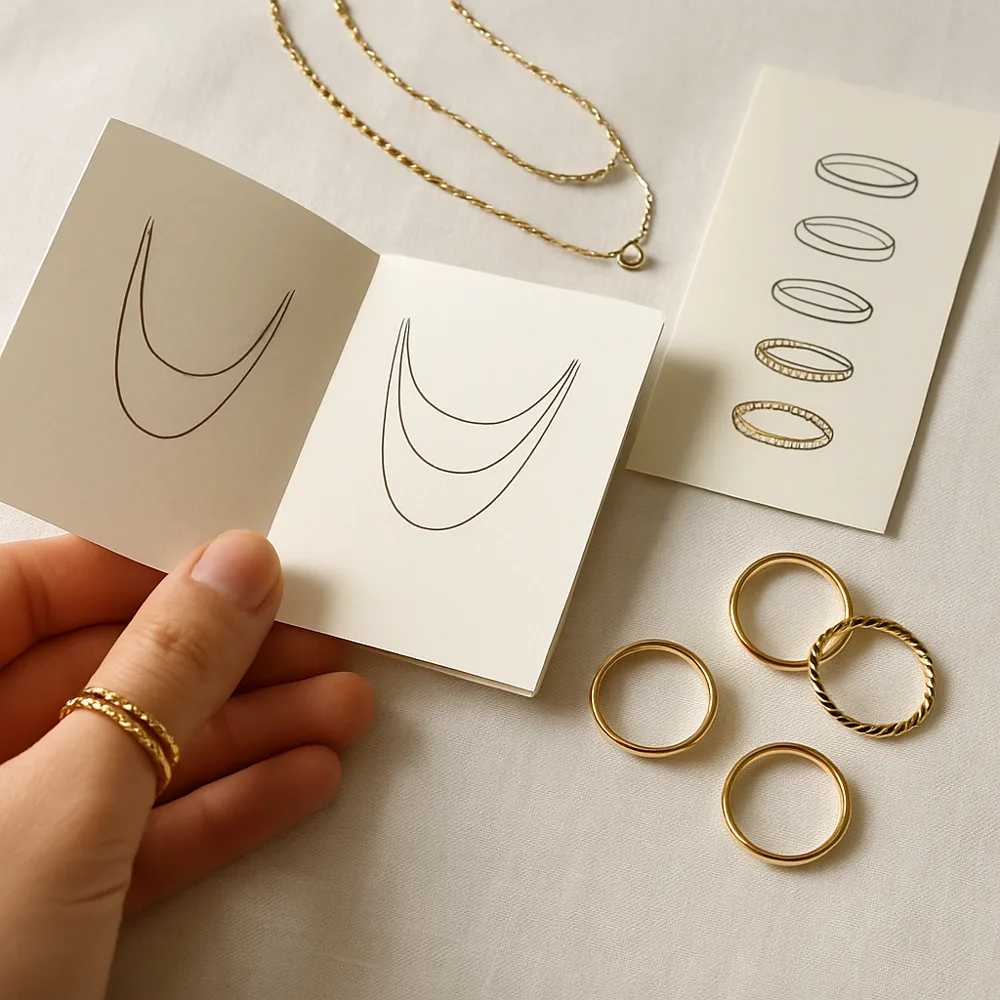
Resizing is not the same process for every ring. A plain metal band may be simpler to adjust than a ring with stones around the full circumference, intricate engraving, or an unusual construction. Some materials and designs are difficult or impossible to resize without changing their appearance. Before making a decision, ask a qualified jeweler to examine the ring itself.
Explain how the ring fits and when it feels tight or loose. Finger size can vary with temperature and activity, so a jeweler may suggest checking the fit more than once. The goal is a ring that passes the knuckle comfortably and stays secure at the base of the finger. If the size difference is small, other options may be worth discussing, but temporary fit aids are not right for every design.
Ask how an adjustment could affect the finish, setting, engraving, or any maker's warranty. After resizing, inspect the ring and have the setting checked before returning to regular wear. Avoid trying to bend or alter a ring at home; doing so can weaken the band or loosen stones. A professional assessment is the safest way to understand the options for a meaningful piece.
How Ring Construction Shapes the Resizing Options
Understanding a little about how jewelers actually change a ring's size can make the conversation at the counter easier. For most precious-metal bands, sizing down usually involves removing a small section of the shank and joining the ends again. Sizing up often means stretching the band slightly or adding a piece of matching metal. Each method has limits. Stretching only works for small changes and suits plain bands better than thin or patterned ones. Adding metal calls for a close match in alloy and colour so the join does not show over time.
Materials that need extra thought
- Gold and platinum are generally the most workable metals. Even so, white gold is often rhodium plated, so it may need replating after the work to restore an even finish.
- Gold vermeil and plated pieces have a thin precious layer over a base metal. Heat and cutting can damage that layer, so resizing is often impractical. Our notes on caring for gold vermeil jewelry explain why these finishes need gentle handling.
- Tungsten, titanium, ceramic and some steel rings are usually very hard to resize in the traditional way. Exchanging them for a different size is often the more realistic route.
Designs that limit adjustment
Eternity bands, channel-set stones running all the way around, and continuous patterns leave little plain metal to work with. Two-tone rings and pieces with hollow shanks can also be tricky. Some stones are sensitive to heat, including opal, emerald, pearl and certain treated gems. A jeweler may need to remove these stones before soldering and set them again afterwards, which adds time and cost.
Getting the size right first
Resizing a ring more than once can stress the metal at the join, so it pays to confirm the target size carefully. Measure at the end of the day, when fingers are usually a little larger. Also consider band width, because wider rings tend to feel snugger than narrow ones in the same size. Our guide on finding a comfortable ring size covers these points in more detail. If you plan to wear the ring in a stack, try it alongside its companions before committing, as several bands together can change how a size feels.