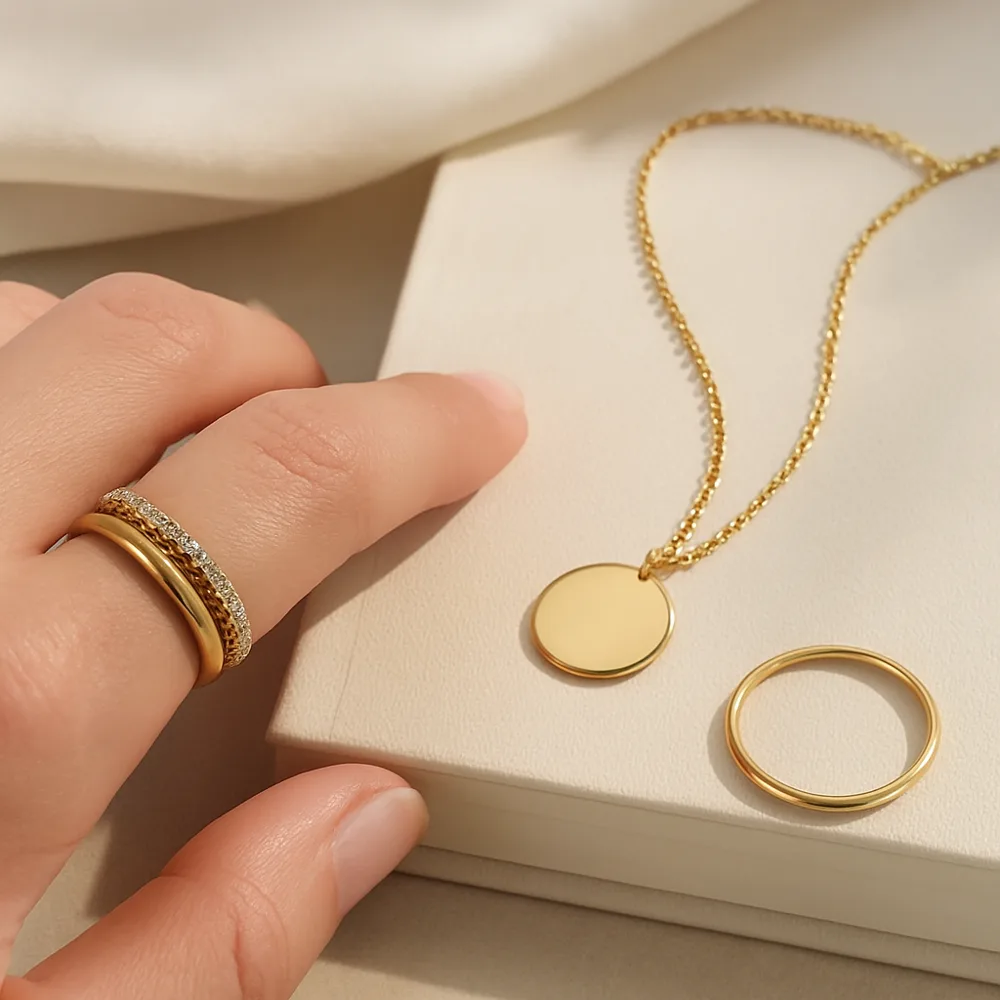
Heirloom jewelry can carry both material and family significance, so begin with careful observation rather than immediate cleaning. Note any loose stones, worn links, bent clasps, or marks that may be part of the piece's history. If you are unsure what a detail means, avoid polishing or altering it until a jeweler has examined the jewelry and explained its condition.
Ask a professional about the metal, stones, previous repairs, and safest cleaning method. Older pieces may have settings or construction that respond differently from newer designs. A jeweler can recommend whether a clasp should be repaired, a ring resized, or a stone secured. Discuss how any work might affect original details, and make sure you understand the proposed changes before proceeding.
Once the piece is ready to wear, handle it according to its materials and construction. Remove it for chores, exercise, and situations that could cause impact, and store it separately in a dry place. Keep a record of repairs or useful care advice with the jewelry. Respectful maintenance can help you enjoy an heirloom while preserving the qualities that make it meaningful.
Wearing, Storing and Passing On an Heirloom
Once an heirloom has been checked and any necessary repairs are done, the everyday decisions about how you wear and keep it matter just as much as the initial assessment. Older jewelry often has finer prongs, thinner shanks or softer solder joints than modern pieces, so small habits make a real difference over the years.
Gentle home care between professional checks
For most sturdy gold or platinum pieces set with hard stones, a soft, lint-free cloth is usually enough to remove skin oils after wearing. Avoid ultrasonic cleaners, steam and harsh chemicals unless a jeweler has confirmed they are safe for that specific piece. Pearls, opals, coral, turquoise, enamel and foil-backed stones are especially vulnerable to water, heat and solvents. If a piece has a darkened finish in its recesses, that may be deliberate patina, so ask before trying to brighten it.
Thoughtful storage
Keep each piece in its own soft pouch or a lined compartment so harder stones cannot scratch softer metals or gems. Fasten chains before storing them to prevent tangles, and lay delicate necklaces flat. Pearls are generally best kept flat rather than hung, since hanging can stretch the silk thread over time. If you are restyling a longer chain, our notes on choosing a necklace length can help you decide how it might sit best.
Making it part of your everyday style
Many people wear an inherited ring alongside newer bands. If you do, consider how the pieces rub against each other; a softer, older ring can wear faster when stacked. Our guide to ring stacking covers combinations that look balanced while limiting friction. A comfortable fit matters too, since a ring that is too loose is easily lost.
Recording the story
Alongside repair notes, write down what you know about the piece: who owned it, roughly when it was acquired and any memories attached to it. Photographs from several angles are useful for insurance and identification. For valuable items, a professional appraisal and a conversation with your insurer can provide peace of mind. When the time comes to pass the jewelry on, these records turn an object into a story that the next owner can understand and continue.