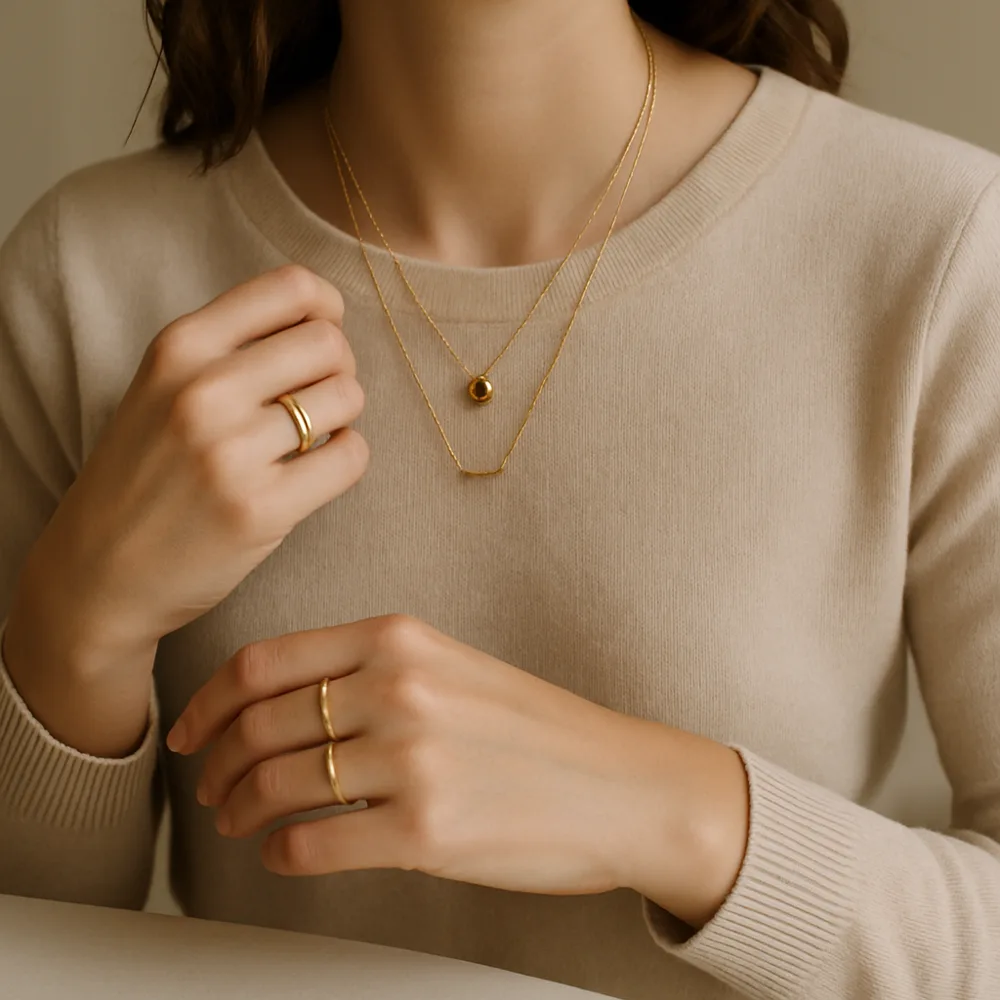
Rings can be vulnerable during tasks involving force, impact, or materials that catch. Remove them before lifting heavy objects, gardening, cleaning, or using tools, especially if the design has a raised stone or delicate setting. A ring can scratch, bend, or snag unexpectedly, and removing it beforehand is often simpler than dealing with damage afterward.
Water and products also matter. Chlorinated pools, salt water, soaps, lotions, and household cleaners can affect some metals, finishes, or gemstones. Take rings off before swimming, bathing, or applying products, then place them somewhere secure rather than setting them loosely beside a sink. If a ring is difficult to remove, do not force it during swelling; seek help if it becomes stuck or uncomfortable.
Routine decisions can make the habit easier. Keep a designated dish away from drains and busy work surfaces, and return rings to the same storage place after an activity. For pieces worn daily, check the setting and band periodically for movement or wear. A little caution helps preserve the ring and avoids the stress of searching for a piece that was removed in a hurry.
Other Moments When Rings Are Better Off
Beyond heavy work and water, a few everyday situations are easy to overlook. Sleep is one of them. Rings with tall settings can catch on bedding or hair, and fingers often swell slightly overnight, so a band that feels fine in the evening may feel tight by morning. Many people find it more comfortable to take rings off before bed, especially statement pieces or stacks.
Exercise deserves its own thought. Gripping weights, bars or racquets presses a ring into the skin and against the metal, which can dent thin bands, loosen prongs and leave calluses. Warmer hands during a workout also mean a slightly larger finger, so a ring that slips off afterwards could be lost in a gym bag or locker room. If you like to keep a symbolic band on at all times, a simple silicone ring is a practical stand-in for training sessions.
Cooking and baking are another common trigger. Dough, raw meat and oily marinades get packed into openwork, under stones and behind settings, where they are hard to clean out. Hot pans and oven racks can also transfer heat through metal quickly. Taking rings off before you start, and putting them well away from the sink, avoids both problems.
Signs a ring should come off sooner
- The band leaves a deep indent or your finger looks red or puffy around it.
- The stone feels loose, or you hear a faint click when you tap it.
- Skin underneath is itchy or irritated, which can mean trapped moisture or soap residue.
- You are travelling on a long flight or in hot weather, when swelling is more likely.
If swelling makes a ring hard to remove, raising your hand above your heart for a few minutes and cooling it can help. A little gentle soap may also help it slide off. If it still will not move, or the finger changes colour, ask a jeweller or medical professional for help rather than pulling harder.
Fit plays a big part in all of this. A ring that is slightly too tight becomes uncomfortable whenever your hands warm up, and one that is too loose slips off easily. Our guide on finding a comfortable ring size explains how to measure with daily changes in mind. For plated pieces in particular, regular removal is part of good upkeep, as covered in caring for gold vermeil jewelry.